
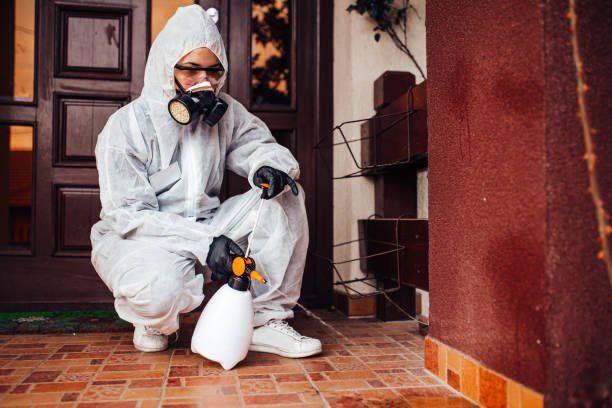
Dealing with pests can quickly become stressful, especially when infestations seem to return despite repeated efforts. While many homeowners rely on quick fixes like store-bought sprays, modern pest management takes a far more strategic and science-based approach. Achieving long-term results requires understanding how pests behave, what attracts them, and how different treatment methods work together. For those seeking reliable pest treatment Brisbane this deeper understanding is key to maintaining a safe and pest-free home.
- The Shift from Eradication to Intelligent Management
Pest control has evolved significantly over the years. Instead of aiming for complete eradication, which is often unrealistic and environmentally disruptive, professionals now focus on control and prevention. This method, commonly known as Integrated Pest Management (IPM), balances treatment with environmental awareness. It involves monitoring pest activity, setting practical thresholds, and applying solutions only when necessary. By doing so, it reduces unnecessary chemical use and protects beneficial insects, creating a more sustainable system that supports effective pest treatment in Brisbane strategies.
- Precision Through Accurate Identification
One of the most important steps in pest management is identifying the exact species involved. Different pests require different solutions, even if they appear similar at first glance. For example, ants and termites may both cause structural concerns, but their behavior and treatment methods vary greatly. Professionals assess factors such as life cycles, nesting habits, and the type of damage observed before deciding on an approach. This level of precision ensures that treatments are applied at the right time and in the right way, improving overall effectiveness.
- The Role of Advanced Formulations and Technology
Advancements in pest control technology have made treatments more efficient and less invasive. Modern products are designed to target specific pests while minimizing impact on the surrounding environment. For instance, certain treatments are undetectable to pests, allowing them to spread the solution within their colony before it takes effect. In addition, detection tools such as moisture meters and thermal imaging devices help identify hidden infestations without damaging walls or structures. These innovations make inspections more accurate and allow for earlier intervention, which is critical in preventing larger problems.
- Integrating Physical and Chemical Methods
Effective pest management is rarely about using a single method. Instead, it combines multiple strategies to create a more comprehensive solution. Sealing entry points, installing barriers, and using traps all play a role in preventing pests from entering or settling in the first place. At the same time, maintaining proper sanitation—such as storing food securely and managing waste—reduces the factors that attract pests. When combined with targeted treatments, these steps form a well-rounded approach that supports long-term success.
- Proactive Maintenance for Lasting Protection
The most reliable way to manage pests is to stay ahead of them. Waiting until an infestation becomes obvious often means the problem has already grown significantly. Regular inspections, consistent maintenance, and small preventative measures can make a big difference over time. Homeowners who adopt this proactive mindset often experience fewer disruptions and lower long-term costs. By making prevention part of routine care, pest treatment in Brisbane becomes a more manageable and sustainable process.